How to Heat Your Home More Easily and Save Money
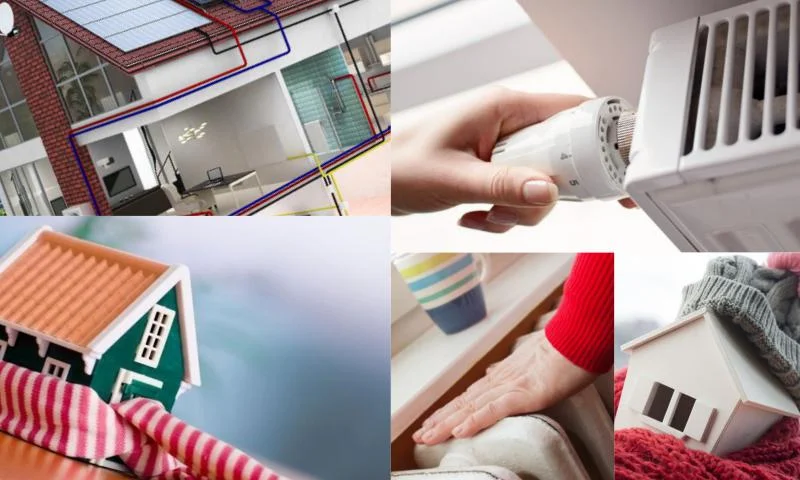
We know how difficult it is to heat a home in the winter months and how this often leads to unexpectedly high bills. However, to tackle this issue, it's necessary to make the required preparations while the weather is still warm in the summer. Since the answer to the question of how to heat a home is directly related to saving money, we have decided to give you the most striking recommendations.
Insulation Saves Lives
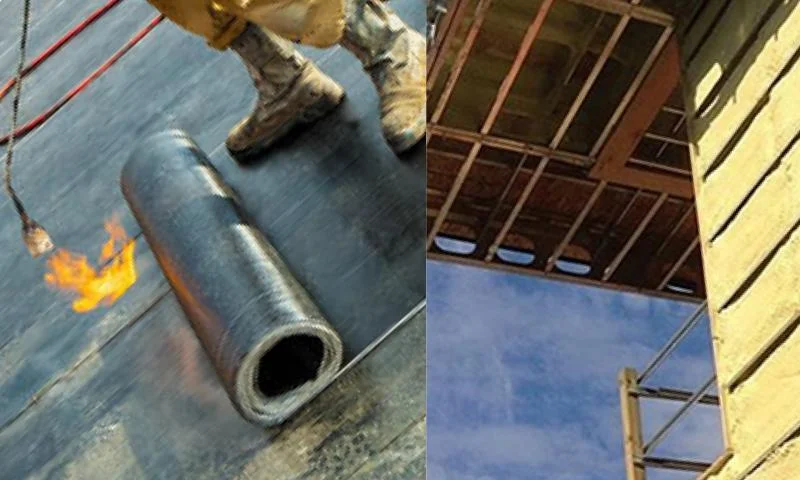
Exterior insulation for your home, using double-glazed windows, covering the gaps under doors and around windows with insulation material, and installing laminate flooring are just a few of the measures that will help your home heat up more easily and allow you to reduce your bills. Even sealing the gaps under doors with insulation strips to ensure insulation between rooms will, in the long run, reduce heat transfer between rooms, helping certain areas to stay warm. Of course, it should also be mentioned that you shouldn't try to heat rooms you don't use.
Radiator/Air Conditioner/Stove Maintenance and Placement
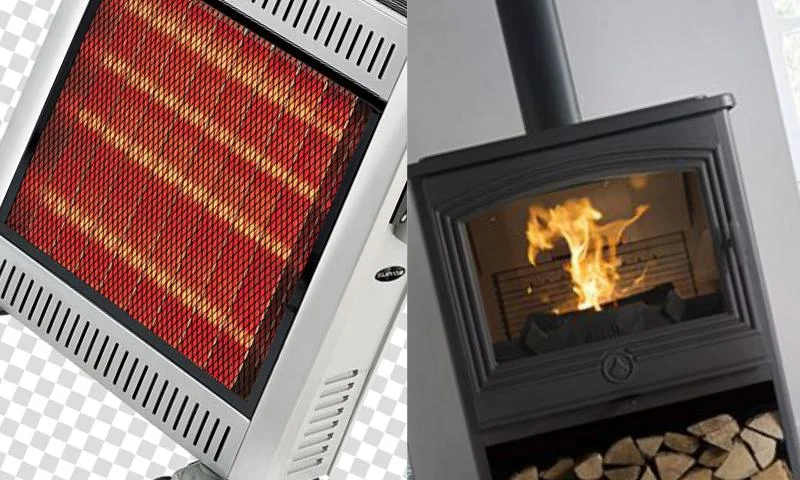
Regardless of how you heat your home, you should always ensure that your heaters undergo annual maintenance. Otherwise, the efficiency of the heater will decrease, and it will consume more fuel while providing less heat. Additionally, factors such as having too many items around the heater or it being hidden behind curtains unfortunately prevent heat from spreading into the room. Remember that your heaters should be positioned as much as possible to have a direct view of all parts of the room.
Correct Curtain Usage
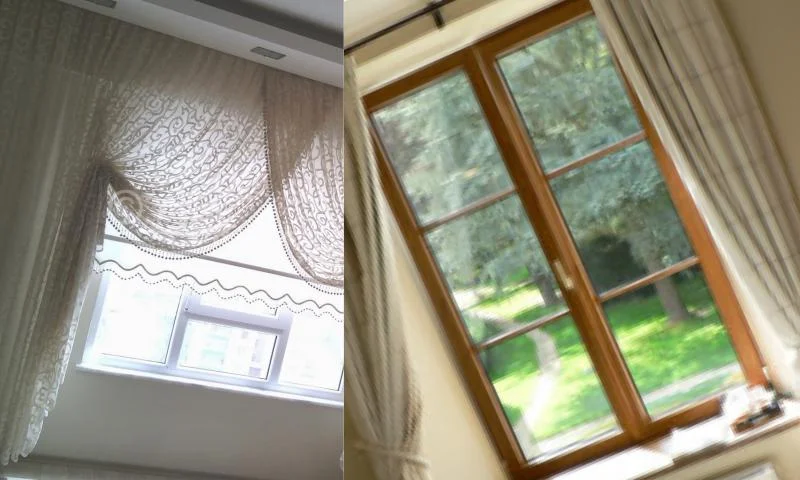
Especially in homes heated by radiators, it is very important to have short curtains to prevent them from covering the radiators. Furthermore, opening the curtains in rooms that receive sunlight during winter months to let the sun heat the house is another important point. Studies show that using thick curtains significantly increases the rate of heat saving in a home.
Home Size and Rooms
If you only actively use 2 rooms in your 3-room, 1-living room home, it means the other rooms are essentially extra space for you. Don't forget that heating a smaller home is easier than heating a larger one. Also, if you don't want to move to a smaller home, you can try to limit your living space and live in fewer rooms, saving money by heating fewer rooms. Reducing the area to be heated will always provide an easier way to heat your home.