Tips for Hood Cleaning
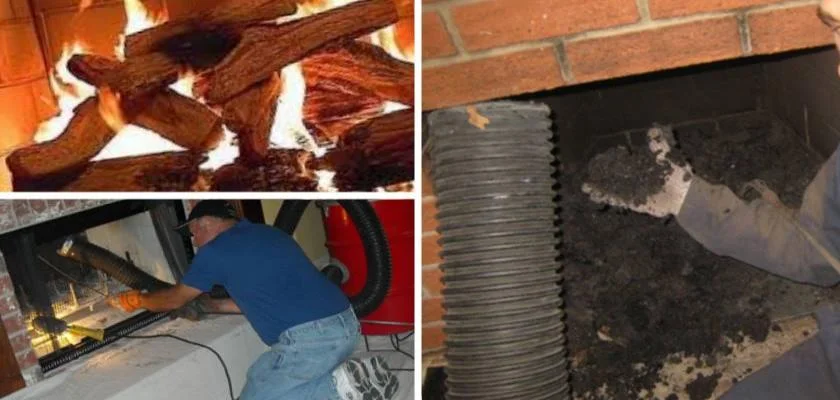
Greasy ducts, especially in large restaurant businesses and the kitchen areas of corporate buildings, pose a risk for chimneys. Since the greasing that occurs in every environment where food is constantly prepared is more prevalent in public use areas, the inside of the chimney gets greasy, unlike soot layers. Greasy duct chimney cleaning starts at the hoods, which are the first point of contamination. Cleaning should be done three times a year in continuously operating institutions to prevent greasing. Hoods, being the main transition point, lose their suction power due to blockages in the exhaust motors while operating. As the oil and smoke residues that are not quickly absorbed accumulate underneath, greasing will increase at the opening of the hood. Hoods with malfunctioning parts cause more smoke and dirt to spread around. In this situation, chimney cleaning is necessary. Fans operating under suitable conditions and having the desired level of suction performance will be possible with this cleaning.
What Negative Consequences Does the Non-Operation of Fan Blades Cause?
Fans are used to clean the air inside. Thanks to fans that remove bad odors, smoke, and grease, you can carry out your work in a fresh environment. However, when the fan blades get greasy, the fan system, which will slow down or even stop, will indicate the development that will warn you about **chimney cleaning**. This malfunction, which will cause chimneys to clog quickly, become greasy, and increase chimney dirt, must be rectified as soon as possible. You should ensure your safety and the safety of those around you with cleaning performed once or twice a year.