
What are the Operating Principles of a Jet Engine?
How is the Performance of a Jet Engine Measured?
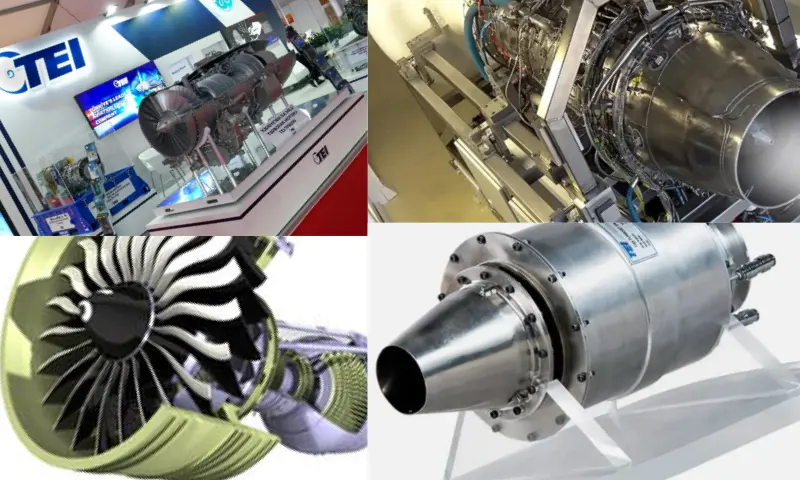
Jet engines are impressive technological systems used to power aircraft. Fundamentally, these engines operate based on Newton's third law of motion. The principle of operation involves drawing air into the engine, compressing this air, then injecting fuel and igniting it, and finally expelling the resulting high-pressure gases. This process generates a thrust force that propels the aircraft or jet. Jet engines are typically categorized into subtypes such as turbofan, turbojet, turboshaft, or turboprop, each with different applications and performance requirements. For detailed information about jet engines, you can visit the website: https://www.tei.com.tr/urunler/tei-tj90-turbojet-motoru.
How are Jet Engines Maintained and Repaired?
The performance of a jet engine is evaluated using various metrics. The primary metric is thrust, usually expressed in pounds or newtons. Thrust is the key performance indicator that helps the aircraft overcome drag while increasing speed. Factors such as temperature tolerance, power-to-thrust ratio, and fuel consumption also play a role in performance evaluation. Regular maintenance of a jet engine is critical for longevity and safe operation. Typical maintenance activities include cleaning the engine's internal and external components, inspecting the plumbing, and replacing parts as needed. Critical parts like fuel injectors and compressor blades must be regularly checked to optimize engine performance. Repair processes involve fixing damaged or worn parts of the jet engine. This is often a delicate operation requiring specialized equipment and expert knowledge. Attending to the regular maintenance and repair of jet engines ensures safe flight and cost savings.