
The Most Advanced Methods Used in Cancer Treatment
What is Laparoscopic Surgery?
Diagnostic and treatment methods in the medical world are rapidly developing. Technological applications and devices increase the success rate in treatment while also meeting patients' expectations. With these methods, surgeries become more reliable, diagnoses faster, and recovery easier. One of the most advanced methods applied in surgery in recent years is laparoscopic surgery. You can review the page for detailed information. It is known in society as closed surgery techniques. This method has incredible advantages at every stage. It is widely used, especially in cancer patients down to very young ages.
How is it Used in the Diagnosis of Diseases?
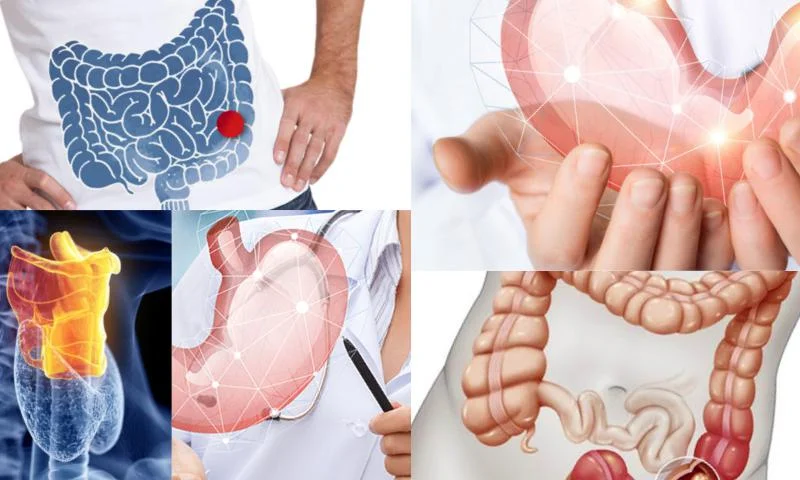
This application, especially preferred in cancer and abdominal region diseases, is a surgical treatment method called closed surgery. Surgery can be performed by making small incisions in the abdominal region. Tissues are always damaged less with a device that has an optical device at its tip and guides the surgeon with light. Several incisions can be made to enter different parts of the abdomen during surgery. Severe pain, such as the pain experienced in open surgeries, is not experienced. The recovery period after surgery is very fast. Also, while scars remain in open surgeries, the incision scars disappear over time after this operation. It is a frequently applied method in operations such as gallbladder surgery, cyst surgery, and appendectomy. In recent years, it has also started to be applied in hysterectomy surgeries. Since it is a device with a light and camera at its tip, it can also be used in the diagnosis and detection of diseases. For example, it provides extreme ease and reliability for the investigation of abdominal and groin pain, the diagnosis of ovarian cysts, the imaging of the gallbladder, and the determination of the locations of cysts in organs. Before the treatment, the patient is put to sleep with general anesthesia. The area where diagnosis and treatment will be performed is inflated with the administered carbon dioxide gas. After the operation, all instruments are withdrawn, the carbon dioxide gas is released, and stitches are placed at the incision sites.





