
Hepatocellular Carcinoma 2
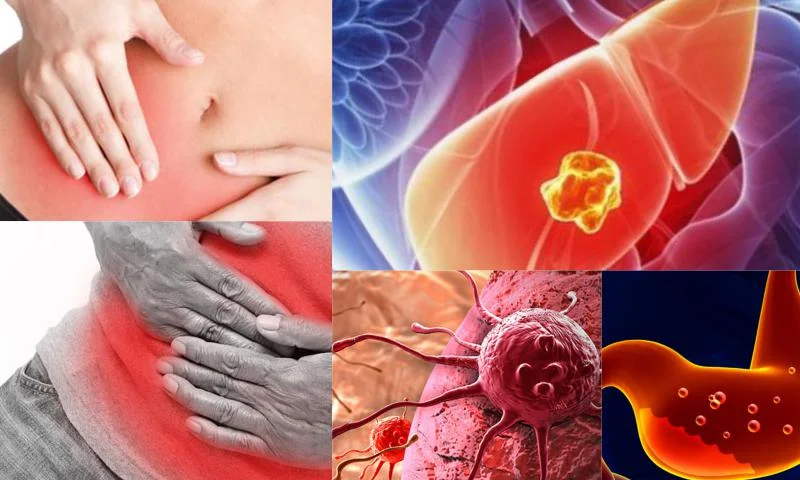
Symptoms of Hepatocellular Carcinoma
Hepatocellular Carcinoma, the most common and widespread type of liver cancer, accounts for approximately 95% of cases. Liver cancers are rarely primary tumors originating within the liver itself; they are typically secondary cancers that have metastasized. Approximately 80% of individuals diagnosed with Hepatocellular Carcinoma have chronic Hepatitis B or C or suffer from cirrhosis. You can visit the page for detailed information. If an individual has liver cirrhosis, the probability of developing Hepatocellular Carcinoma is very high.
HCC Treatment
Hepatocellular Carcinoma, which ranks fifth globally in terms of cancer incidence and third in cancer-related mortality, does not show any symptoms in its early stages. However, individuals with chronic liver disease may incidentally discover it during routine ultrasound examinations at their regular health check-ups. Furthermore, if your doctor can feel a mass during a physical examination, it indicates that the disease has progressed to advanced stages. In HCC patients, a condition known as paraneoplastic syndrome can also occur. This syndrome can lead to hypoglycemia due to hormones secreted by cancer cells, as well as symptoms like polycythemia, hypercalcemia, and hypertension. The best solution for liver cancer is surgical intervention, which involves the complete removal of the tumor. The tumor's size is also related to cirrhosis and liver failure. If surgical intervention is not feasible, liver transplantation may be considered as a treatment option. Injecting certain substances into the tumor tissue using a needle is also among the treatment methods. Additionally, tumor masses can be destroyed or shrunk using radiofrequency waves. Preventive measures such as getting hepatitis vaccinations, early detection of hemochromatosis, and treatment for alcoholism can prevent the development of cirrhosis, thereby reducing the likelihood of contracting liver cancer.