
Brain Structure and Basic Function
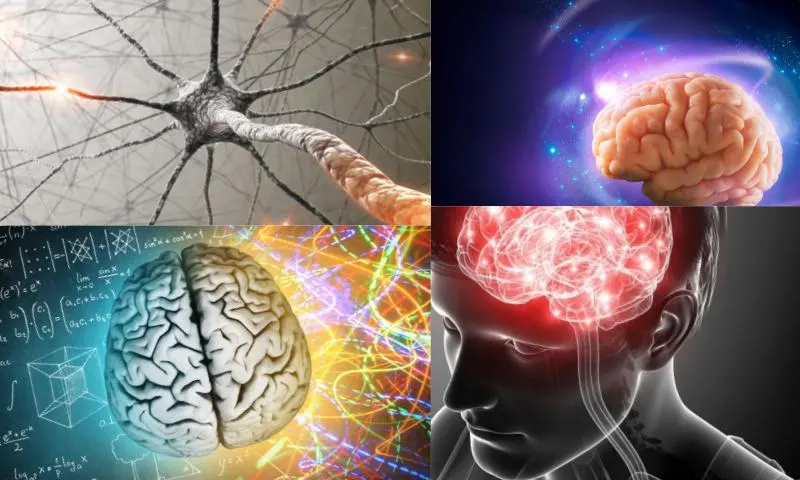
The brain is one of the most complex organs in the human body and the most important component of the central nervous system. Weighing approximately 1.4 kilograms, this organ contains billions of neurons and synapses. The brain operates through electrical and chemical signals. Communication between neurons occurs through chemicals called neurotransmitters. This communication network manages our thoughts, feelings, movements, and even subconscious processes. The brain consists of three main parts: the forebrain, midbrain, and hindbrain. The forebrain is responsible for higher cognitive functions such as thinking, decision-making, and memory, while the midbrain processes sensory information and coordinates movements. The hindbrain regulates basic life functions (breathing, heart rate, etc.). For information on this topic and to ask your questions, you can look at the relevant online companies on web pages and examine them in detail from here.
Learning and Memory Mechanisms
The brain plays a crucial role in learning and memory processes. When new information is learned, new connections are formed between neurons. The more frequently these connections are repeated, the more permanent that information becomes. The hippocampus region of the brain has a critical function in converting short-term memory into long-term memory. The learning process is supported by a mechanism called neural plasticity. Neural plasticity refers to the brain's ability to reshape itself by adapting to new experiences. This process enables learning and skill development. Regular sleep, nutrition, and mental exercises are of great importance for the healthy functioning of the brain. Especially during sleep, the brain consolidates the information we have learned and refreshes the mind by filtering out unnecessary information.
The Brain's Effect on Consciousness and Emotions
The brain not only manages cognitive processes but also our emotions and level of consciousness. The control of emotions is provided by a region called the limbic system. The amygdala, one of the most important parts of this system, plays a role in regulating basic emotions such as fear, anger, and happiness. The prefrontal cortex in the brain is effective in emotion control and rational decision-making processes. The brain also affects our mood through hormones. For example, serotonin increases feelings of happiness, while cortisol determines stress levels. Activities such as meditation, exercise, and social interaction help regulate the brain's chemical balance, leading to a healthier mood. The brain is one of the most important organs that govern human life and has the capacity to manage both cognitive and emotional processes. Understanding and improving it can help us lead healthier and more productive lives.