
What are VRF Systems?
Usage of VRF Systems
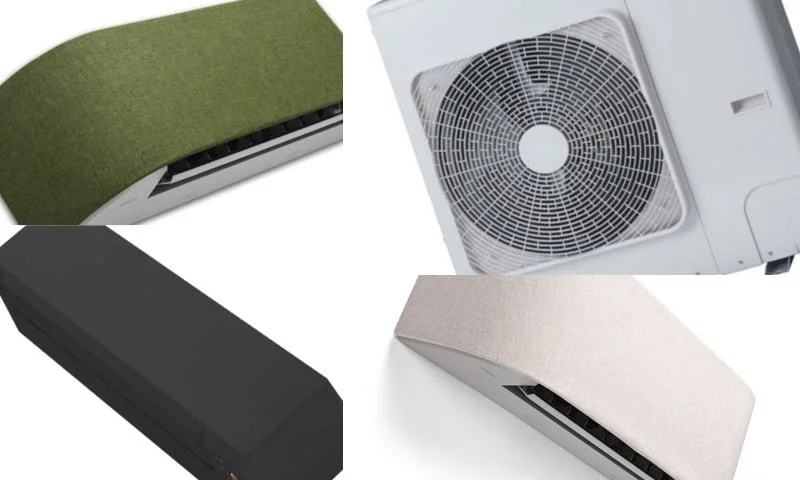
VRF systems stand for Variable Refrigerant Flow and are a technology used in air conditioning systems. This system provides a variable refrigerant flow between the outdoor unit and different indoor units. Each indoor unit can operate independently and be controlled according to different temperature needs. This flexibility allows different rooms or zones to be conditioned simultaneously according to their varying temperature requirements. VRF systems ensure effective conditioning of indoor spaces with their energy efficiency, quiet operation, and wide coverage. This technology is generally preferred in medium and large-scale buildings and offers the flexibility to adapt to different needs.
Advantages of VRF Systems
VRF systems have the ability to individually control each indoor unit by changing the refrigerant flow between different indoor units. This feature allows different rooms or zones to be conditioned according to their varying temperature needs. VRF systems offer advantages of energy efficiency and flexible usage. A single outdoor unit can supply multiple indoor units, and each indoor unit operates like a separate thermostat, providing the desired temperature between rooms. Flexibility is prominent among the advantages offered by VRF systems. These systems allow each unit to be controlled individually by changing the refrigerant flow between different indoor units. Thanks to this feature, it becomes possible to condition different rooms or zones according to their varying temperature needs. Furthermore, a single outdoor unit can supply multiple indoor units, and energy efficiency can be increased through intelligent control in the system. Other advantages include quiet operation, a wide operating range, flexible installation, and long lifespan. For more information about VRF systems and Toshiba air conditioning models, you can visit https://aesmuhendislik.com.tr/product-category/vrf-sistemleri/.





