
How is an Underfloor Heating System Installed?
Which Floor Coverings are Compatible with Underfloor Heating Systems?
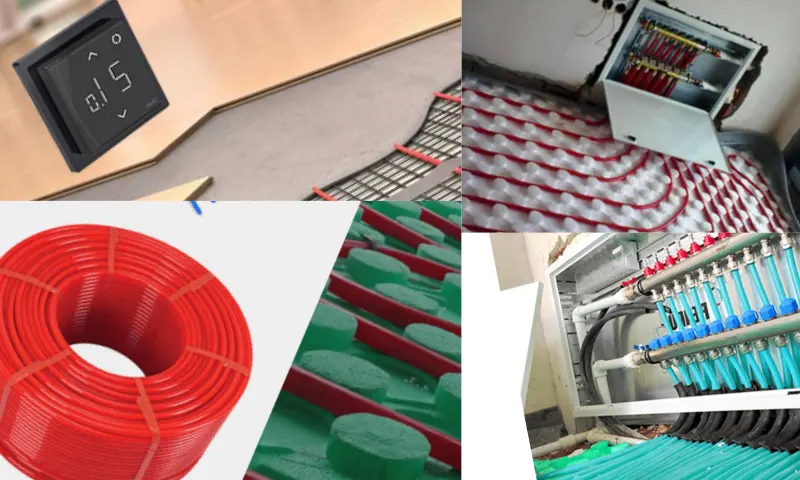
The installation of an underfloor heating system involves a series of carefully planned steps. A project design, recommended to be carried out by an expert heating systems professional, is performed. The layout of the pipes or electric heating elements to be placed under the floor is determined. Then, the pipes or elements under the floor are installed, paying careful attention to insulation materials during this stage. It is important that the pipes are laid correctly and connections are made tightly. A water-based underfloor heating system installation includes a boiler, pump, and control unit. The boiler produces the heating water, which is circulated through the pipes by the pump and delivered to the heating elements under the floor. The control unit regulates the system's temperature and performance. For more information about underfloor heating systems, you can visit the web address https://www.isienerji.com/sulu-yerden-isitma-sistemleri/.
How is an Underfloor Heating System Evaluated in Terms of Energy Efficiency?
Underfloor heating systems can be compatible with various floor coverings. Many different floor covering materials such as wood, laminate, ceramic tile, stone, carpet, and vinyl can be used in conjunction with this system. However, since each floor covering material has a specific thermal conductivity property, an appropriate design and installation are necessary. Wood floor coverings are good heat-conducting materials, so they can transfer heat more quickly and evenly. Underfloor heating systems are advantageous in terms of energy efficiency. Water-based systems can utilize energy more effectively by using low-temperature water. The heating water is produced by a heat pump or a condensing boiler, which saves energy. Electric underfloor heating systems provide focused heat and minimize losses by transferring energy directly to the elements under the floor. When evaluating in terms of energy efficiency, it should not be forgotten that regular maintenance, as well as system design, is important.