
The Importance and Advantages of Violin Education
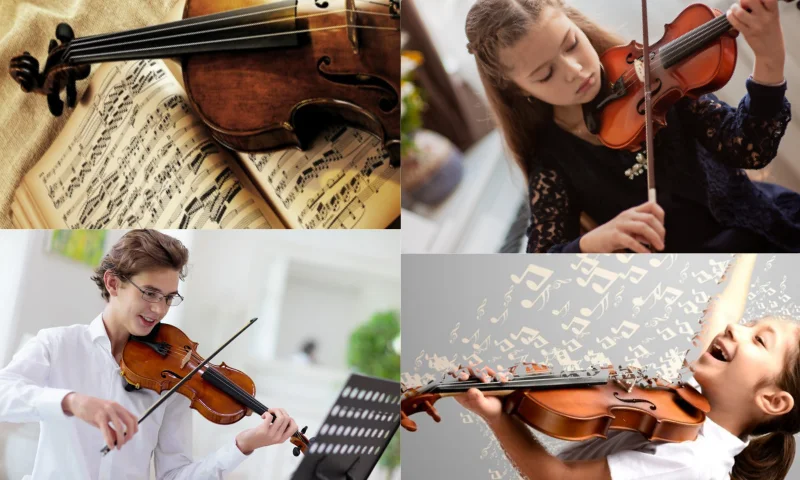
Violin education is a valuable experience for individuals interested in and talented in music. The violin is one of the fundamental instruments of classical music and is frequently used in other music genres as well. Violin education provides students with many significant advantages. Playing the violin contributes to the development of emotional expression and self-confidence. The ability to express emotions through the power of music increases students' self-confidence. Furthermore, violin education develops students' focus and patience skills. Through repetitive practice and regular study, students learn to overcome the challenges of achieving their goals over time. Violin education enables students to understand the language of music and improve their skills in reading and playing music. Knowledge of note reading and music theory allows students to learn other instruments more easily. Additionally, by participating in group work and music ensembles, students gain stage experience and reinforce their musical skills. For information on this topic and to ask your questions, you can look at the relevant online companies on the internet pages and examine them in detail here.
The Fundamental Stages of Violin Education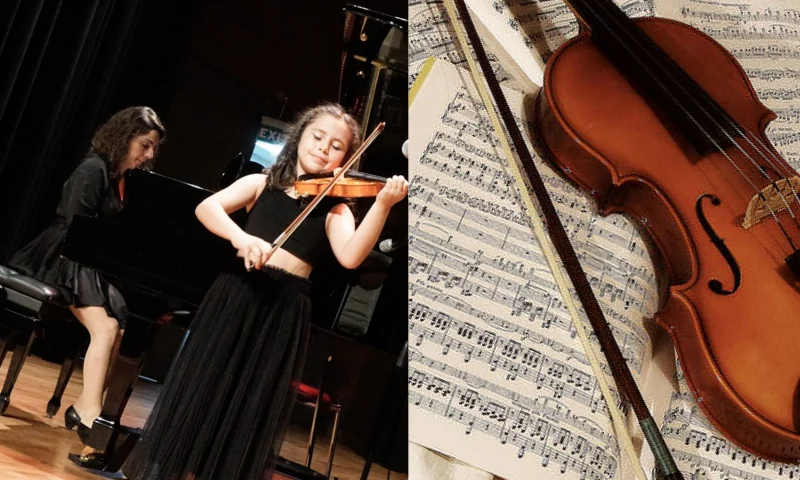
Violin education is a process that gradually develops a student's musical knowledge and skills. The fundamental stages of violin education are as follows:
- Learning the Basic Techniques of the Violin: Students beginning violin education first learn basic techniques such as correct violin posture, bow technique, and finger positions. This stage is extremely important for acquiring correct fundamental habits.
- Developing Note Reading and Musical Skills: During the violin education process, students learn to read notes and the fundamentals of music theory. This develops the ability to play the basic repertoire of the violin and understand music.
- Developing Repertoire and Overcoming Technical Difficulties: Students begin to play pieces from various periods and styles of the violin repertoire. This enhances musical taste and helps solidify technical skills. Studying challenging pieces takes students' violin skills to an advanced level.
Points to Consider in Violin Education
There are some important points to consider to achieve success in violin education:
- Regular and Disciplined Practice: Violin education requires regular and disciplined practice. Playing the violin regularly every day and completing assignments on time ensures students' progress.
- Expert Guidance and Teacher Selection: The guidance of an expert teacher is important in violin education. Students learning under the supervision of an expert teacher learn the correct techniques and progress faster.





