How Does an Interior Architecture Office Apply Modern Styles?

How Does an Interior Architecture Office Organize Spatial Flow?
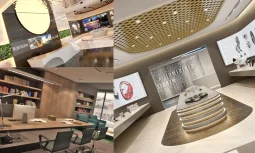
When applying modern styles, an Interior Architecture Office adopts an approach that emphasizes clean lines, functional organization, and timeless aesthetics. The foundation of modern design lies in simple forms, light color palettes, natural materials, and balanced compositions. An Interior Architecture Office adapts these elements to the space, placing functionality at the center of the design. In modern style, unnecessary details are avoided; every item serves a purpose and creates a balanced order in the space. Light tones, gray textures, and natural wood surfaces are frequently preferred for color selection. Lighting also holds special importance for the modern concept. An Interior Architecture Office imbues the space with a modern atmosphere through fixtures with clean lines, concealed lighting applications, and soft-transition LED systems. For detailed information about the Interior Architecture Office, you can visit the web address: https://osomimarlik.com/hizmetler/.
How Does an Interior Architecture Office Manage the Project Delivery Process?
When organizing spatial flow, an Interior Architecture Office considers the function of the area, user movements, and directional needs. Well-designed flow in a space is one of the elements that directly affects the user experience. Therefore, correctly determining circulation paths, ensuring adequate passage widths, and arranging furniture to support flow are important. An Interior Architecture Office first analyzes the space to identify high-traffic areas and focal points of movement. When managing the project delivery process, an Interior Architecture Office creates an organizational plan to ensure the smooth completion of design and application phases. The delivery process begins with checking all work, identifying deficiencies, and making final adjustments. An Interior Architecture Office first examines whether the application is in perfect harmony with the design. The correct use of materials, suitability of dimensions, installation quality, and workmanship details are meticulously checked. Subsequently, the general cleanliness of the space, the condition of surface textures, and lighting performance are evaluated.