Structures Racing Against Time

Mills are among the structures that have stood for centuries as elegant witnesses of the past. With their stone walls, rotating blades, and the patiently ground grains, they were once among the most important production centers. Operating by water, wind, or animal power, these structures reflect the harmony of human labor with nature. In times when technology was not as advanced as it is today, mills were at the heart of villages and towns. The people who gathered around them not only ground flour but also chatted, exchanged news, and experienced the rhythm of daily life together. For information on this topic and to ask your questions, you can look at related online companies on web pages and examine them in detail.
A Symbol Beyond Functionality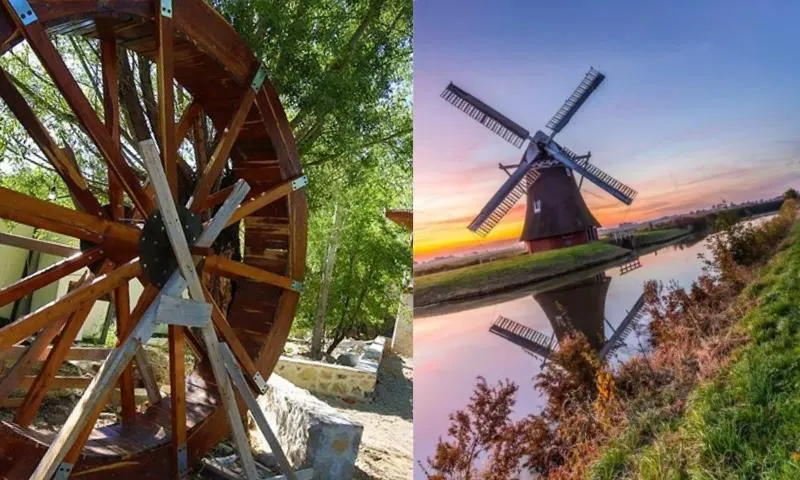
When we say mill, it doesn't just mean obtaining flour from wheat. They are also symbols of productivity, patience, and transformation. The transformation of a grain of wheat into fine flour is both a physical change and a reward for labor. Therefore, mills are not just functional structures but also cultural heritage. The story of the miller in fairy tales, poems, and novels, the cycle within the mill, and the sound blended with the wind outside offer us an elegant bridge between the past and the present. With each rotation, it carries the trace of time, like music echoing in the silence of the past.
Looking From Today
Although flour is produced with modern machinery today, old mills still possess a captivating beauty. Mills that have been restored and brought back to life with functions such as museums, cafes, or boutique hotels are becoming special places where nostalgia meets naturalness. They are also seen as an inspiring source for those seeking environmentally friendly production methods. Watching a mill turn with the wind or water reminds us that life can flow without haste. Mills continue to tell us the value of patience, harmony with nature, and labor through a whisper from the past.