
Why Does Hair Loss Occur?
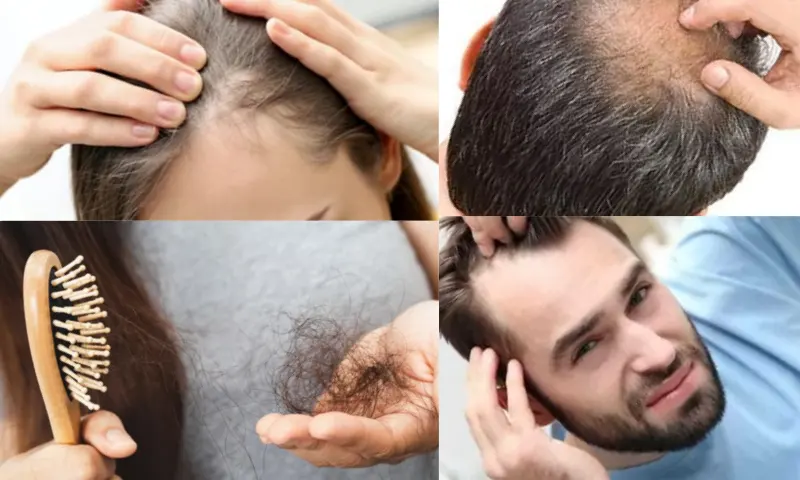
Hair loss is a common problem faced by many people. It can be caused by various factors such as genetic factors, hormonal changes, stress, poor nutrition, and environmental influences. Genetic factors play a significant role, especially in the case of androgenetic alopecia (male pattern baldness) seen in men. This condition is typically a pattern of hair loss inherited from the male members of the family. In women, hormonal changes, especially during menopause, can cause hair loss. Stress and trauma can also trigger hair loss. Intense stress can lead to hormonal imbalances in the body, causing hair follicles to enter a resting phase and thus leading to hair loss. Poor nutrition, especially a deficiency of essential nutrients for hair health such as protein, iron, zinc, and B vitamins, can also lead to hair loss. For information on this topic and to ask your questions, you can look at the relevant online companies on internet pages and conduct a detailed review from there.
Types of Hair Loss
Hair loss can occur in different types, and each can be associated with different causes. Androgenetic alopecia, one of the most common types, can be seen in both men and women. In men, this condition is usually characterized by hair loss in the crown area and hairline. In women, hair generally thins and becomes sparse overall. Another common type of hair loss is telogen effluvium. This type is usually caused by temporary conditions such as severe stress, illness, sudden weight loss, or postpartum hormonal changes. Alopecia areata is a type caused by the immune system attacking hair follicles. In this condition, the body attacks its own hair roots, usually causing patchy hair loss. Traction alopecia occurs due to constant pulling of the hair or tight hairstyles, which can lead to permanent hair loss in the long term.
Hair Loss Treatment Methods
There are various methods for treating hair loss, and the treatment varies depending on the cause of hair loss. The most common treatment methods for androgenetic alopecia include medications such as minoxidil and finasteride. Minoxidil promotes hair growth by widening hair follicles, while finasteride slows hair loss by inhibiting the conversion of testosterone to dihydrotestosterone (DHT). Telogen effluvium usually resolves on its own with the correction of the underlying cause. Hair loss due to nutritional deficiencies can be treated with a balanced diet and necessary vitamin and mineral supplements. Corticosteroids and immunosuppressive drugs are used in the treatment of alopecia areata. In the case of traction alopecia, it is important to avoid hairstyles that cause pulling of the hair and to allow the hair follicles to heal. Additionally, there are various natural treatment methods used against hair loss. For example, regular scalp massage can increase blood flow to the hair follicles and promote hair growth. Nutritional supplements such as biotin, zinc, and B vitamin complexes can also support hair health. Finally, surgical methods such as hair transplantation can offer an effective solution for permanent hair loss. Hair transplantation is the process of transferring hair follicles taken from donor areas to the areas experiencing loss, and it generally provides permanent and natural-looking results.