
Hair Transplantation: Aesthetic and Safe Solutions
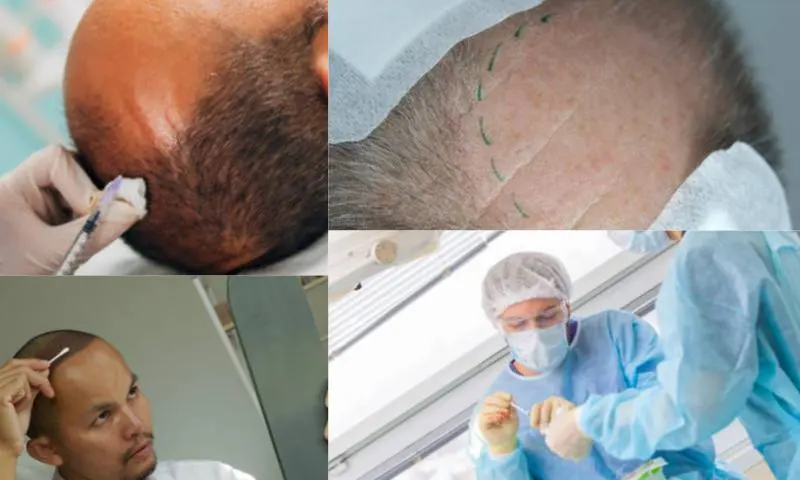
Hair loss can be a problem that increases aesthetic concerns in both men and women. Advanced hair transplantation techniques offered by modern medicine provide an effective method to solve this problem permanently and naturally. Hair transplantation is the process of transplanting healthy hair follicles, taken from areas where genetic hair loss does not occur (usually the back of the head), to the areas where hair has fallen out. This procedure is performed to ensure hair regrowth and improve the person's aesthetic appearance. While hair transplantation is generally preferred to treat baldness problems in men, it can also be applied to women experiencing hair loss due to genetic or hormonal reasons. Hair transplantation is a minimally invasive surgical procedure, and the choice of an expert physician is of great importance as it should be performed by specialists. For information on this subject and to ask your questions, you can look at the relevant online companies on the internet pages and examine them in detail from here.
Hair Transplantation Techniques
The most common techniques used in hair transplantation are FUT (Follicular Unit Transplantation) and FUE (Follicular Unit Extraction) methods.
- FUT Method: In this method, a strip of skin containing hair follicles is taken, usually from the back of the head, and then divided into small pieces and transplanted to the balding area. Although the FUT technique allows for the harvesting of more hair follicles, it can leave a surgical scar.
- FUE Method: In this method, hair follicles are harvested individually and placed in the area to be transplanted. FUE is a method that leaves no scars and yields more aesthetic results. The results are more natural, but the number of hair follicles that can be transplanted is more limited compared to the FUT method.
Both methods have specific advantages and should be chosen considering the individual's specific situation.
Post-Hair Transplantation Process
The recovery process after hair transplantation can vary from person to person. For the first few days, it is important to protect and keep the transplanted area clean. Side effects such as swelling, redness, and minor bleeding may occur, but these usually subside in a short period. Hair shedding may occur within a few weeks after the procedure; however, new hair growth begins to be observed between 3-6 months. Full results appear within 12 to 18 months. Regular check-ups and adherence to the physician's recommendations after hair transplantation are important for a successful outcome. Additionally, proper hair care and nutrition habits are also necessary for the transplanted hair to remain healthy. Hair transplantation offers a powerful solution for achieving natural and permanent results. By considering the advantages of different techniques and with a detailed consultation with an expert physician, the hair transplantation procedure can be successfully completed.





