
Zero Waste Lifestyle and Its Environmental Impacts
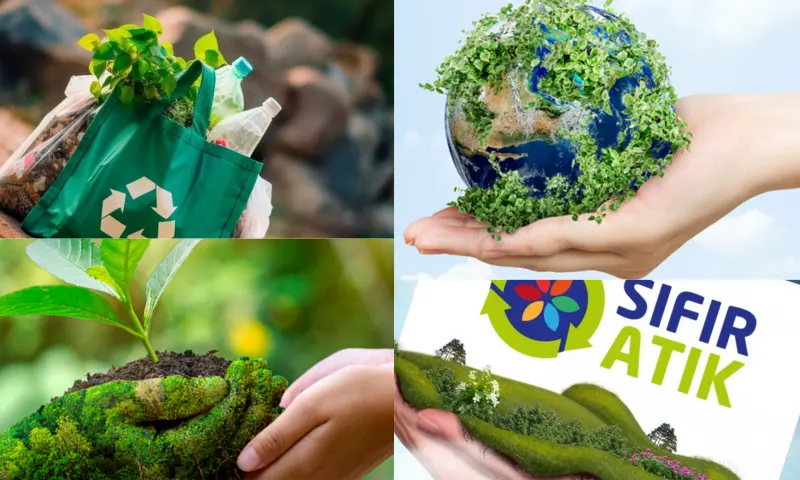
A zero waste lifestyle is a way of life that aims to minimize waste generation by changing consumption habits and maximizing recycling. This lifestyle protects natural resources, reduces the amount of garbage, and minimizes environmental impacts. A zero waste lifestyle is based on the principles of recycling, composting, reuse, and reduction. For information on this subject and to ask questions you are curious about, you can look at related online companies on web pages and examine them in detail from here.
Basic Principles of Zero Waste Lifestyle
There are basic principles to adopt a zero waste lifestyle. First, consumption habits must be reviewed to prevent waste generation. This includes avoiding single-use products, shopping without packaging, and preferring durable products. Second, it is important to maximize recycling. This includes collecting recyclable waste separately and sending it to recycling facilities. Third, it is important to compost organic waste. This involves turning kitchen waste into compost and returning it to the soil.
Getting Started with Zero Waste Lifestyle
It is important to start with small steps to begin a zero waste lifestyle. First, you can start recycling by creating recycling bins at home. Then, you can reduce waste by reducing the use of plastic bags while shopping and using your own bag for grocery shopping. Also, you can prevent waste generation by choosing durable and long-lasting products instead of single-use products. A zero waste lifestyle is a lifestyle that can be adopted over time by starting with small steps. A zero waste lifestyle is an important lifestyle to reduce environmental impacts and protect natural resources. Based on the principles of recycling, composting, reuse, and reduction, this lifestyle is a sustainable approach that everyone can contribute to.





