Plasterwork, used in the decoration of the ceilings and walls of our homes and various structures, has a very old history. Plasterwork, which is used extensively not only in buildings but also in works of art, is a very old structural competition material. It comes from the Italian word 'cartone', which is rooted in the Italian word 'carta'. The meaning of plasterwork, which has a history of approximately 500 years, means compressed paper. Plasterwork began to be used in cardboard boxes starting from the 1610s. Its entry into the art world was through Raphael's famous cartoons, on which he painted frescoes in 1680. Plasterwork is a material obtained by mixing glue with water to form a paste, and then mixing it with beeswax.
The Harmony and Elegance Plasterwork Adds to Our Homes
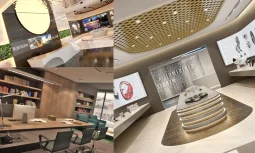
The prepared material is poured into pre-made molds and, after drying, is mounted on the ceilings or walls of structures. Plasterwork, which is generally white in color, is also among the methods used for lighting decoration. Plasterwork used in ceiling corners is quite durable in terms of use. Plasterwork can be applied in patterns and shapes suitable for the area where it is used. In living rooms, this method, mostly applied around lighting and at the base of ceilings, appears in many decorative models with the aim of eliminating the ordinary. Plasterwork impresses with its various application areas, from bedrooms to living rooms, from kitchens to hallways. By using plasterwork, you can create different partitions in your living room and add a different atmosphere to your home by using various shelves or patterns. Plasterwork, which is also very affordable, is highly preferred in home decoration. Although plasterwork material later gave way to gypsum, which is easier to use, it was later replaced by polyurethane materials. Nowadays, with its reinforced content, it can be easily used in all areas. Plasterwork, with a lifespan longer than that of a building, draws attention not only for its decorative use but also for its longevity.